Cross Training Shoes
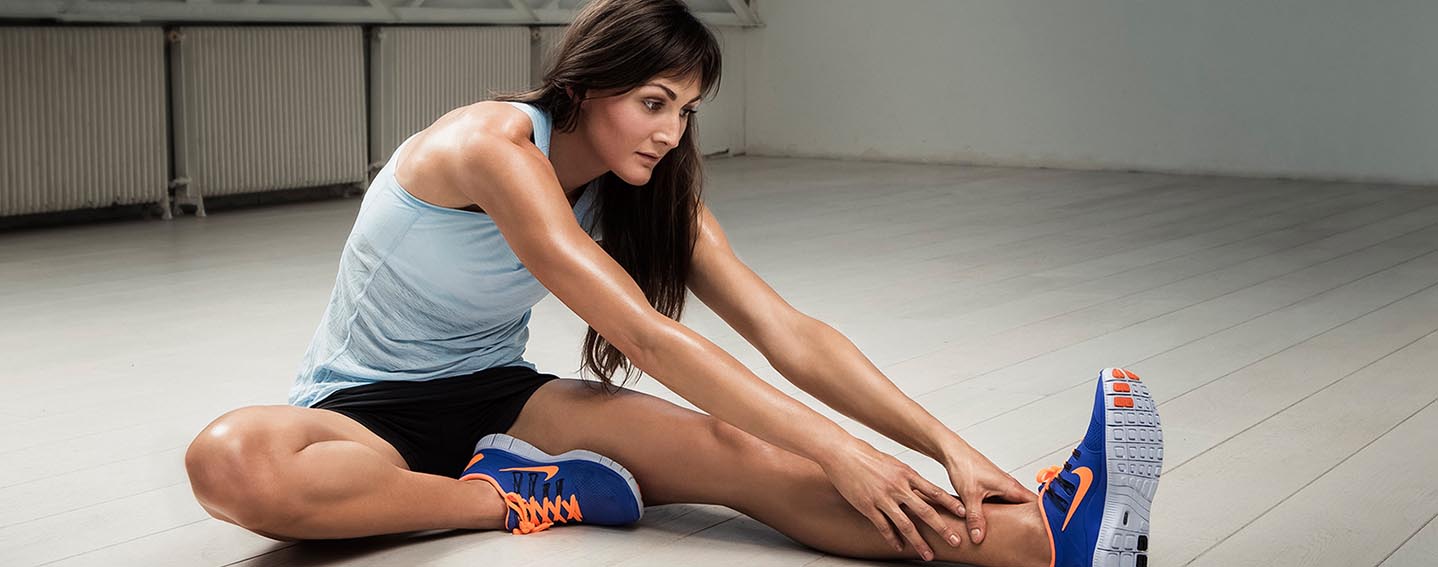
You jog, cycle and take aerobic classes at the gym, wearing a different pair of fitness shoes for each activity. One pair of cross training shoes, however, may be what you need to simplify your life, rid your closet of clutter and save money. Known as the all-in-one sport shoe, cross training shoes are versatile, durable and functional. They are the "shoe of choice" if you engage in multiple athletic activities, want to mix up your workout routine, are a seasoned athlete or even an occasional sportsman.
You jog, cycle and take aerobic classes at the gym, wearing a different pair of fitness shoes for each activity. One pair of cross training shoes, however, may be what you need to simplify your life, rid your closet of clutter and save money. Known as the all-in-one sport shoe, cross training shoes are versatile, durable and functional. They are the "shoe of choice" if you engage in multiple athletic activities, want to mix up your workout routine, are a seasoned athlete or even an occasional sportsman.
Pinpoint the cross-training shoe section in your shoe store of choice. While these shoes are typically marked, you may need to ask a sales professional to confirm that the shoes you are looking at or trying on can meet your cross-training needs.
Select several shoes in differing brands to try on. Because each brand may offer a different design and model of a cross trainer, it's important to try on several kinds to identify which type will be best for you.
Test the fit of each shoe. This can be accomplished by wiggling your toes (you should be able to fan your feet out and wiggle the toes); identifying where the top of the toe is in relation to the top of the shoe (there should be a thumbnail's length of space); and the heel should feel secure and supported while wearing the shoe.
Consider fit issues related to the shoe and make sure you try on each shoe with the socks you would be wearing during exercise. For example, walk across the room. Does your foot feel cushioned and supported? Is the foot lightweight enough to perform your activities of choice? Also, does the foot feel stable while moving (the foot doesn't feel as if it is wobbling or slipping out of the shoe)? If you answered no to any of these questions, the shoe is not for you.
Signs it's time to purchase a new pair of cross-training shoes include if you notice unevenly worn soles or the backs of the shoes appear to be broken down. While it's recommended you throw out many shoes after 300 miles, a cross-training-shoe wearer should think in terms of hours. Replace your pair after wearing for more than 100 hours.
Cross-trainer midsoles feature either polyurethane or ethylene vinyl acetate as cushioning material. Shoes with EVA are typically lighter but might not hold up as long as cross-trainers with heavier polyurethane midsoles. Some models combine the two cushioning materials to increase durability without adding too much weight. Cross-training shoes generally provide a moderate amount of cushioning and are appropriate for a variety of athletic activities. However, if you perform a particular sport, such as running or tennis, more than two times a week, the American Academy of Podiatric Sports Medicine recommends that you invest in a sport-specific shoe.
Cross-trainers with polyurethane cushioning offer more ankle stability than those with EVA cushioning. The shoe's upper material also affects the shoe's stability. If you have a low arch or otherwise need extra stability from your cross-training shoes, look for shoes with a leather upper and a polyurethane midsole. Your foot shape and the shoe's fit and comfort are the most important factors in choosing the best cushioning cross-trainer for you.